Table of contents
Travel has splintered into tribes, and the split is showing up in booking data, from the rise of “soft adventure” to the boom in wellness breaks, while destinations quietly reshape what they sell. After years of pent-up demand, travelers are no longer just picking places, they are picking feelings, and the activity list is where that decision becomes real. The trick is matching what you do on the ground to the pace your body, budget, and attention span can actually sustain.
Start with energy, not aspiration
Be honest: are you traveling to burn adrenaline or to recover it? The most common mismatch in trip planning is aspirational scheduling, when travelers copy a social-media itinerary that looks epic, then discover by day two that their legs, sleep, or patience are not on board. Researchers and industry analysts have repeatedly noted that post-pandemic travel places a higher premium on restoration and wellbeing, and that shift shows up in the activities people pre-book, from spa time to slower, local experiences, even in cities long marketed through a checklist of landmarks.
A practical way to start is to rate your “daily battery” before you even pick activities: how many hours can you be out, on your feet, navigating crowds, and still enjoy dinner without feeling like you are completing a task? A high-energy traveler might comfortably stack a morning hike, an afternoon museum, and a night food tour, while a low-energy traveler will have a better trip with one anchor activity and a long buffer, especially in peak season when heat and lines quietly consume time. In Mediterranean cities, for example, summer temperatures and strong midday sun can turn an ambitious walking plan into a slow grind, and your “vibe” becomes less about personality and more about physiology.
Budget also shapes energy. Activities with heavy logistics, such as day cruises, private transfers, or multi-stop excursions, often cost more but buy back mental space, and that matters if your travel vibe is “chill” but you still want to see a lot. Conversely, thrill seekers can overspend quickly by chasing every premium experience, when the best adrenaline sometimes sits in the simple, high-frequency options, like a well-chosen hike, a public transit day trip, or a neighborhood food crawl that delivers intensity without a luxury price tag.
Finally, consider your tolerance for uncertainty. Some travelers find spontaneity energizing; others find it exhausting. If you know you relax when the plan is clear, you can still travel “chill” while pre-booking a few key experiences, then leaving open space for aimless wandering, café time, and the kind of unplanned detours that make a city feel personal. The point is not to schedule more, it is to schedule smarter, because the right activity mix protects your mood, and mood is the real souvenir.
Thrill can be cultural, not extreme
Adrenaline is not only zip lines and cliff jumps. In many destinations, the most vivid “thrill” is social, sensory, and cultural, the buzz of a loud market, a stadium night, a dance floor that runs late, or a street-food circuit that dares you to try one more bite. This matters because travelers often self-identify as thrill seekers, then book only physically intense activities, and miss the kind of high-voltage city experiences that deliver excitement with less risk, less gear, and fewer weather dependencies.
Look at what is happening in urban tourism: cities are increasingly selling experiences that feel immersive rather than monumental. A hands-on cooking class can be a thrill if you like performance and pressure, especially when it ends with a table full of strangers and local wine, and the same goes for a live-music night that puts you in the middle of a scene instead of on its edges. Even museums can be “thrill” if you approach them like a hunt, picking one theme and chasing it across galleries, rather than trying to see everything and leaving numb.
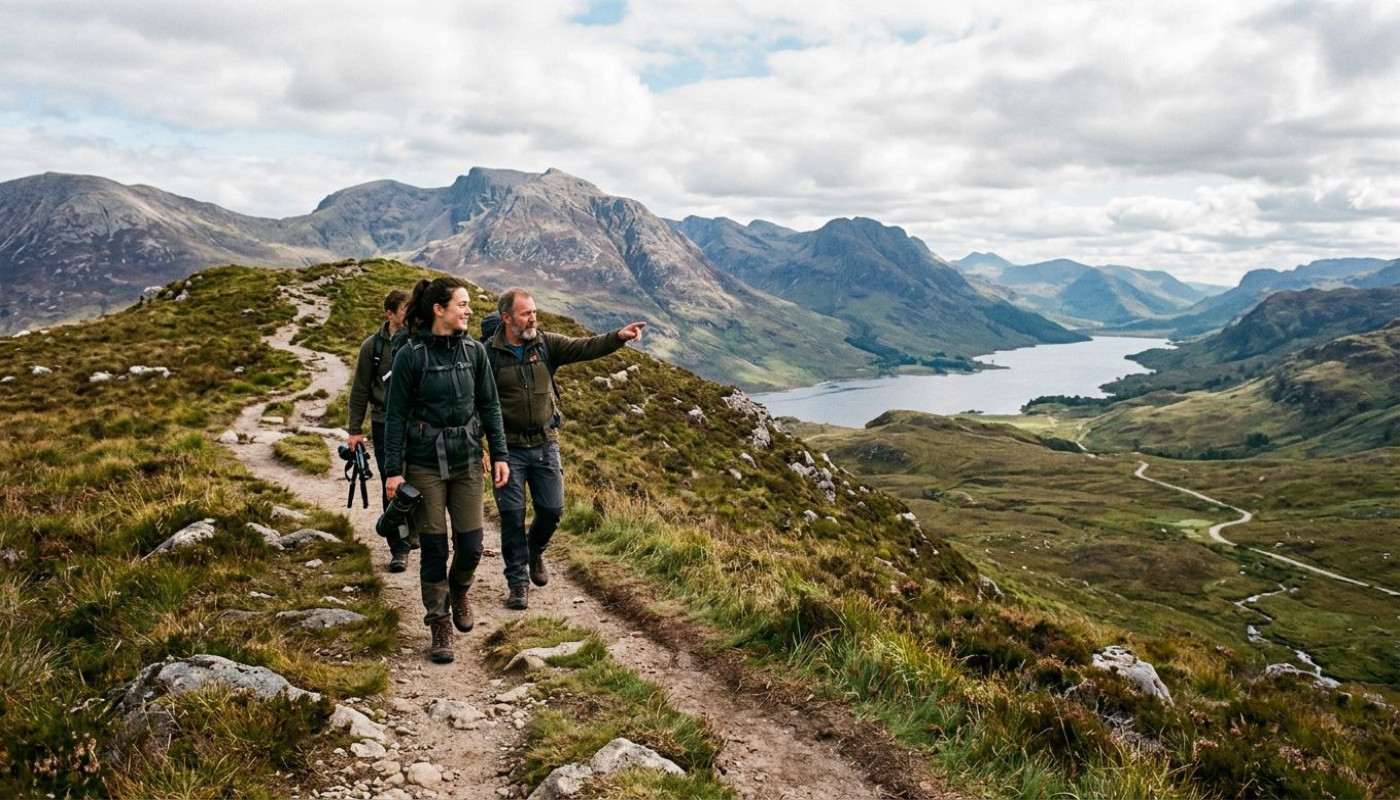
For travelers who do want physical intensity, the smartest move is to align the adrenaline spike with the conditions that make it safe and satisfying. Heat, wind, and seasonal crowding can turn a perfect outdoor plan into something you endure rather than enjoy. In coastal regions, for example, boat and sea activities depend on winds and sea state, and in mountain areas, the same trail can feel like a different sport depending on season and recent weather. The best thrill is the one you remember for the feeling, not the logistical stress.
It is also worth treating “thrill” as a dial. You can build an itinerary that escalates gently, starting with a high-energy walking tour, moving to a day trip with moderate hiking, then finishing with one headline experience, rather than stacking extreme days back-to-back and spending the last third of the trip recovering. Travelers often underestimate the cumulative load of stairs, uneven streets, and long transit days, especially in historic cities, and the result is a quiet crash. A well-paced thrill itinerary delivers peaks, and still leaves room for the slow pleasures that stop a trip from becoming a fitness test.
Chill travelers still need anchors
Relaxation is not the absence of planning, it is the presence of space. The chill-seeker mistake is assuming that doing “nothing” will automatically feel good in a new place, when unfamiliar streets, decision fatigue, and the pressure to “make the most of it” can turn open days into low-level stress. A calmer travel vibe works best when you choose a few anchors that shape the day, then build generous margins around them.
Anchors can be simple. A late breakfast in a neighborhood you actually want to see, a market visit that doubles as lunch, a sunset viewpoint that gives the day an ending, and one cultural stop that feels manageable, such as a single museum wing or one historic site rather than a marathon. These anchors help you avoid the 5 p.m. panic, that moment when you realize you have wandered for hours and still do not know what the day was “about.” Structure, paradoxically, is what makes chill feel effortless.
Wellness travel has also become more mainstream, and not only in resorts. Many cities now market calm experiences inside busy environments: hammams and spas, seaside walks, parks designed for lingering, and food culture that rewards slow eating. Industry reporting in recent years has highlighted strong demand for wellbeing-oriented trips, and travelers are increasingly willing to pay for experiences that reduce friction, such as timed-entry tickets, small-group tours, or transfers that remove the stress of navigating at rush hour. Chill is often a logistics choice.
If you are building a relaxed itinerary in a city with heavy tourism, you can protect your vibe by shifting the clock. Early mornings and late afternoons often deliver the same landmarks with a different atmosphere, while midday becomes your rest window, not your sightseeing window. The payoff is felt immediately: fewer queues, less heat, fewer crowds, and a pace that leaves you with enough energy to enjoy dinner instead of collapsing into it. If you want a streamlined way to map calm, low-friction options and day trips without turning planning into a second job, https://www.athens-trip.com can help you compare activity styles and find experiences that fit a slower rhythm.
Build a mix that survives real life
Even the best-planned trip meets reality: delayed flights, sudden rain, a sleepless night, a heatwave, a transit strike, or a museum that is unexpectedly closed. The itinerary that survives is the one designed with resilience, and resilience comes from variety. If all your activities rely on perfect weather, or all require long walks, or all begin early, you are one disruption away from a bad day.
A strong mix usually includes three categories. First, one or two “must-do” experiences that justify the destination, the kind of thing you would regret missing. Second, several flexible mid-tier options, enjoyable but not sacred, that can be swapped without emotional damage. Third, a set of micro-pleasures, the low-effort backups that still feel like travel, such as a food hall, a neighborhood café circuit, a scenic tram ride, a small gallery, or a local cinema. When plans fall apart, micro-pleasures save the day.
Think in terms of intensity blocks. Pair a high-output activity with a low-output one, and you avoid the hidden fatigue that ruins later days. A morning of hiking or a long excursion wants an easy evening, perhaps a casual dinner near where you are staying, while a relaxed morning opens space for a livelier night. This balancing act is especially important for couples, families, or friends traveling together, because the “vibe mismatch” is often interpersonal. One person’s ideal day feels like a sprint to another, and compromise works best when the calendar alternates, rather than when every day becomes a negotiation.
Finally, do the unglamorous checks. Look up opening days and last entry times, calculate transit durations with buffers, confirm whether an activity is mostly standing or has seated breaks, and read recent reviews with an eye for friction points, such as crowded pickup locations or unclear meeting instructions. Real travel is made of small stresses, and the difference between thrill and chill is often just how many small stresses you stack. When the activity list fits your actual body and temperament, you stop performing a trip and start living it.
Make the plan fit your pace
Reserve your top experiences early, then leave breathing room, especially in peak season. Build a budget that includes at least one friction-reducing choice, such as timed entry or a transfer, and check whether local or national programs offer discounts for students, seniors, or off-peak visits. The best itinerary feels effortless because it was designed that way.
Similar articles