Table of contents
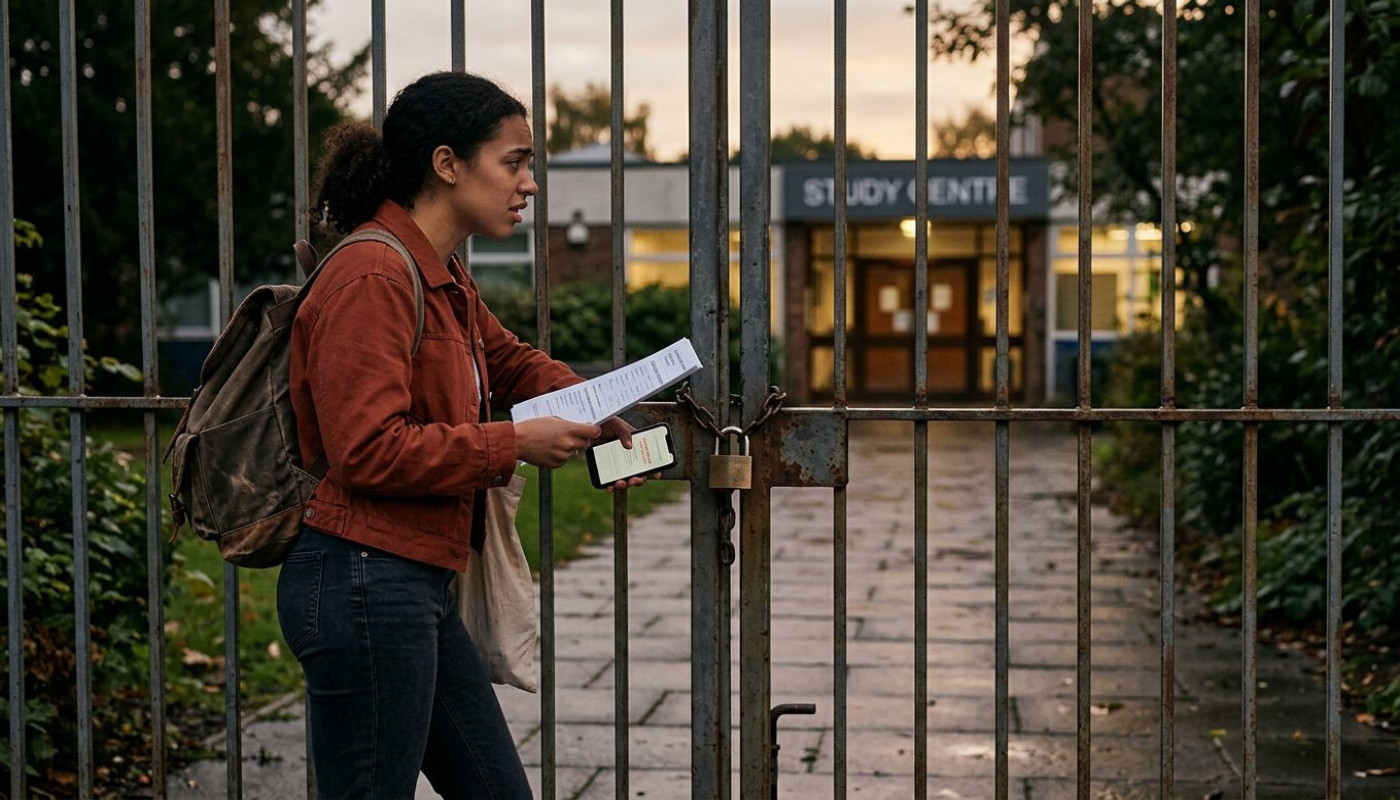
Missed a course because the phone line was busy, the shop was closed, or the last bus was late? Across Europe’s coastal towns, access to sports lessons still collides with very analog barriers: limited opening hours, uncertainty about availability, and the friction of paying a deposit in person. As travel habits shift toward short stays and last-minute decisions, online booking is becoming more than a convenience, it is quietly reshaping who gets to learn, when, and at what price.
When timing decides who gets in
Who hasn’t tried to book “later” and lost the slot? In many surf destinations, the demand curve is brutally compressed, weekends and school holidays fill first, and the most desirable time windows, typically late morning to mid-afternoon, can vanish in hours once conditions look promising. Industry data underline the same logic across activities, not just surfing: Phocuswright estimates that online travel bookings represent the dominant share of the market in Europe and North America, and the broader shift to digital purchasing has trained consumers to expect instant confirmation rather than a call-back. In parallel, the European Commission’s tourism reporting has repeatedly highlighted the rise of short breaks, which leaves less tolerance for back-and-forth booking friction, because the holiday itself might only be three or four days long.
The consequence is simple: the earlier you can confirm, the more likely you are to participate, and offline systems often punish the very people who cannot call at 10 a.m. on a weekday. Shift workers, parents coordinating childcare, and travellers moving between trains and rentals tend to be late decision-makers by necessity, not by choice. Add the reality of time zones, roaming issues, and language barriers, and “just give us a call” starts to look like a gatekeeping mechanism. Online booking changes the power balance, because it moves access from the shop counter to a 24-7 interface, and that widens the funnel for everyone, not only the most organised visitors.
The hidden cost of uncertainty
Uncertainty is expensive, even before you pay. For customers, the cost shows up as wasted time, duplicated planning, and sometimes a missed opportunity when the weather finally aligns. For providers, it appears as no-shows, idle instructors, and chaotic reallocation when too many people arrive at the same hour. These costs are not theoretical: the World Travel & Tourism Council has long framed friction in the visitor journey as a direct drag on sector value, and in retail more broadly, the Baymard Institute’s checkout research consistently finds that complicated processes drive abandonment. Surf lessons have their own version of the same problem, because a family might compare several schools, hesitate, then fail to commit anywhere, and by the time they decide, the window has closed.
Online booking tackles that uncertainty in practical, measurable ways: clear time slots, transparent capacity, and immediate confirmation reduce the psychological “maybe” that keeps people from committing. It also makes it easier to coordinate groups, particularly when friends travel together but arrive at different hours. That matters in a place like Lacanau, where seasonal peaks can turn a casual idea into a scramble. If you are planning surf courses in Lacanau, a system that shows what is actually available, and lets you secure it without a phone call, removes the most common planning failure point: waiting too long because you are not sure the course will run, or not sure a spot will still exist.
Weather changes fast, booking must too
The ocean does not care about your itinerary. Surfing is uniquely exposed to fast-changing conditions, wind direction, swell period, tide windows, and safety constraints can reshape a day in a few hours, and what looked perfect yesterday can turn messy by noon. This is not just an impression: France’s national meteorological service, Météo-France, documents how Atlantic coastal conditions can shift rapidly, and local authorities routinely issue updates on currents and hazards. In that environment, rigid booking systems can create frustration on both sides, because customers want to adapt, and instructors need the freedom to move groups to safer, better-timed sessions.
Online booking, when designed well, becomes a coordination tool rather than a simple payment button. It helps users choose suitable slots based on level, it reduces the flood of last-minute calls when weather alerts appear, and it can support policy clarity: what happens if conditions force a change, how rescheduling works, and when refunds apply. The end result is not only convenience, it is safer practice. When participants can easily see updated options, they are less tempted to “show up anyway” and pressure a lesson into happening. In a sport where safety briefings, equipment checks, and group sizing matter, smoother scheduling directly improves the quality of supervision.
Accessibility is also a budget issue
Price is not the only budget constraint, time and predictability are part of the bill. A traveller who cannot secure a lesson in advance may overpay elsewhere, or lose money on non-refundable transport, while a family that needs to plan around school pick-ups or childcare may simply opt out. Here, online booking intersects with affordability in a less obvious way: it allows people to compare time slots, pick off-peak sessions, and avoid the “panic purchase” effect that happens when availability feels scarce. Consumer behaviour studies in tourism have repeatedly shown that transparency influences willingness to buy, because travellers can weigh options without social pressure, and without the fear of misunderstanding details on the phone.
It also supports inclusivity for newcomers. Beginners often hesitate because they worry about not being good enough, not understanding the rules, or arriving unprepared. A well-structured booking path can answer those questions early, spelling out what to bring, how long the session lasts, and what the age or swimming requirements are, and that reduces the intimidation factor that keeps many people from trying. Accessibility, in other words, is not only ramps and parking spaces; it is the ability to take the first step without friction, embarrassment, or avoidable uncertainty. When booking becomes straightforward, the sport becomes easier to enter, and the local economy benefits from visitors who can actually turn their intention into a confirmed activity.
What to do before you lock it in
Book early for peak weeks, compare time slots to match tide and family schedules, and set a realistic budget that includes transport and equipment needs. If you are eligible, check local holiday support and youth-sport schemes, because some regions and employers offer subsidies for lessons. When plans are tight, prioritise platforms that confirm instantly and explain rescheduling rules clearly.
Similar articles